- Nano Sand Mill Technology: Revolutionizing Fine Grinding in Modern Manufacturing
- BNC Connectors: Essential Components for RF and Coaxial Applications
- The Evolution and Impact of Laser Welding Cells in Modern Manufacturing
- The Complete Guide to Sand Mills: Revolutionizing Particle Size Reduction in Modern Manufacturing
- Electrostatic Chuck Technology: Transforming Semiconductor Manufacturing Precision
- The Complete Guide to Multi-Parameter Digital Transmitters for Industrial Applications
- Choosing the Right Child Hospital Bed: A Complete Guide for Healthcare Facilities
- Vacuum Chuck Technology: Revolutionizing Precision Manufacturing Across Industries
新闻动态
 Company Profile
当前位置:首页 > Company Profile >
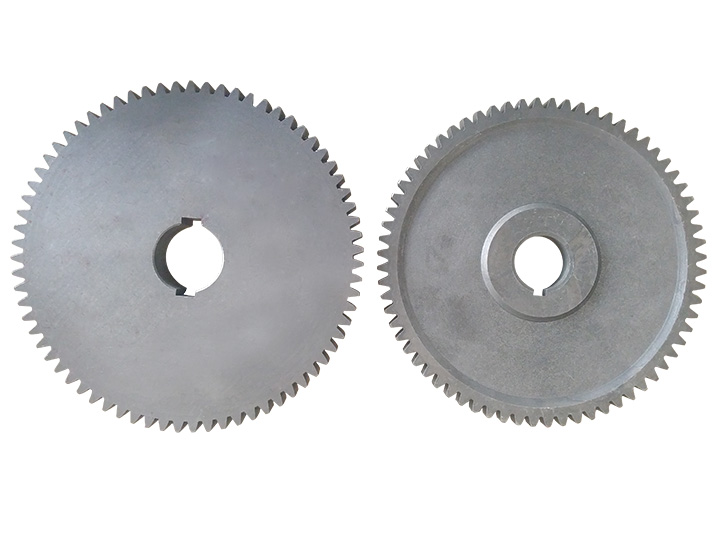
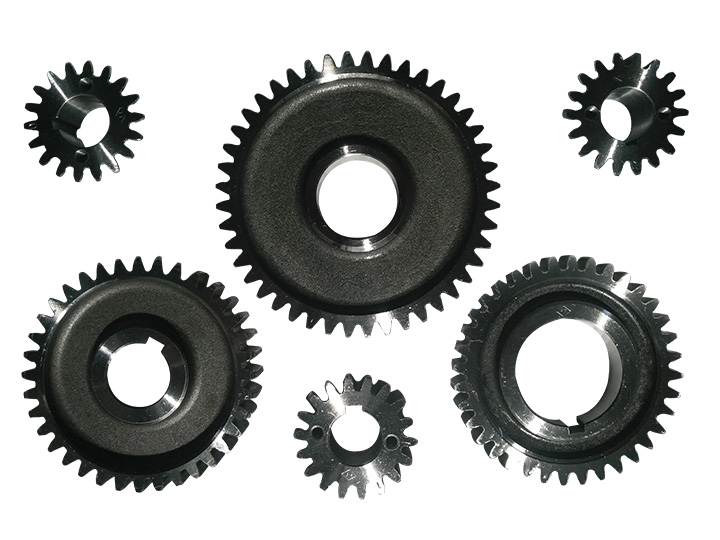
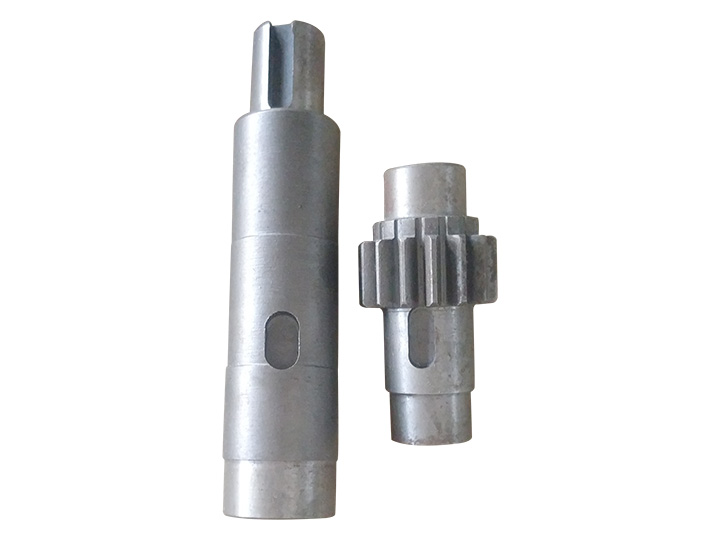
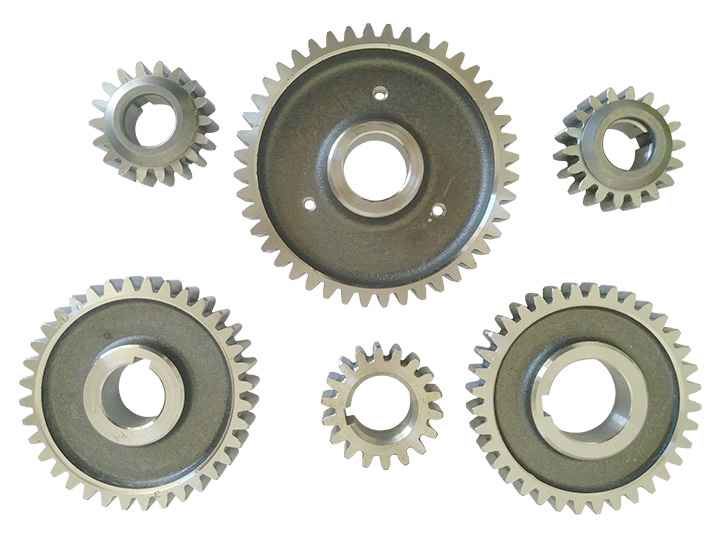
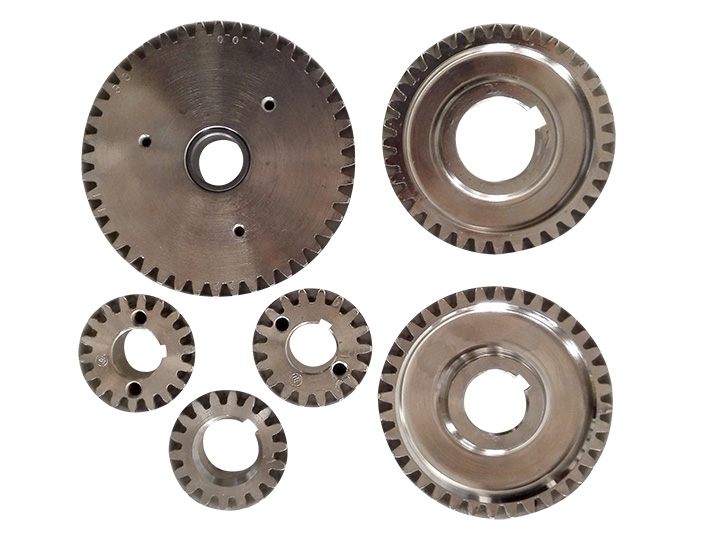
Materials commonly used in manufacturing gears
The commonly used steels for manufacturing gears include quenched and tempered steel, quenched steel, carburized and quenched steel and nitrided steel. The strength of cast steel is slightly lower than that of forged steel and is often used for larger gears; gray cast iron has poor mechanical properties and can be used in light-load open gear transmissions; ductile iron can partially replace steel in making gears; plastic gears are mostly used in places with light loads and low noise requirements, and the gears paired with them are generally steel gears with good thermal conductivity.
Future gears are developing in the direction of heavy load, high speed, high precision and high efficiency, and strive to be small in size, light in weight, long in life and economical and reliable.
Study the elastic deformation, manufacturing and installation errors and temperature field distribution of the gear, modify the gear teeth to improve the smoothness of the gear operation, and increase the contact area of the gear teeth at full load, thereby improving the load-bearing capacity of the gear.
Friction, lubrication theory and lubrication technology are basic work in gear research. Studying the elastohydrodynamic lubrication theory, promoting the use of synthetic lubricating oil and appropriately adding extreme pressure additives to the oil can not only improve the load-bearing capacity of the tooth surface, but also improve the transmission efficiency.
Future gears are developing in the direction of heavy load, high speed, high precision and high efficiency, and strive to be small in size, light in weight, long in life and economical and reliable.
Study the elastic deformation, manufacturing and installation errors and temperature field distribution of the gear, modify the gear teeth to improve the smoothness of the gear operation, and increase the contact area of the gear teeth at full load, thereby improving the load-bearing capacity of the gear.
Friction, lubrication theory and lubrication technology are basic work in gear research. Studying the elastohydrodynamic lubrication theory, promoting the use of synthetic lubricating oil and appropriately adding extreme pressure additives to the oil can not only improve the load-bearing capacity of the tooth surface, but also improve the transmission efficiency.